One of the most common sources of frustration in dog training is not actually the dog’s behavior. It is the expectation behind it. A puppy mouths your hands and someone says, “He knows better.” An adolescent dog pulls on leash or ignores a cue outside, and suddenly...
Confidence is not something a dog is simply born with; it is something that develops over time through experiences. One of the most powerful ways to nurture confidence in dogs is by gently introducing them to novel environments, meaning places, sights, sounds, and...
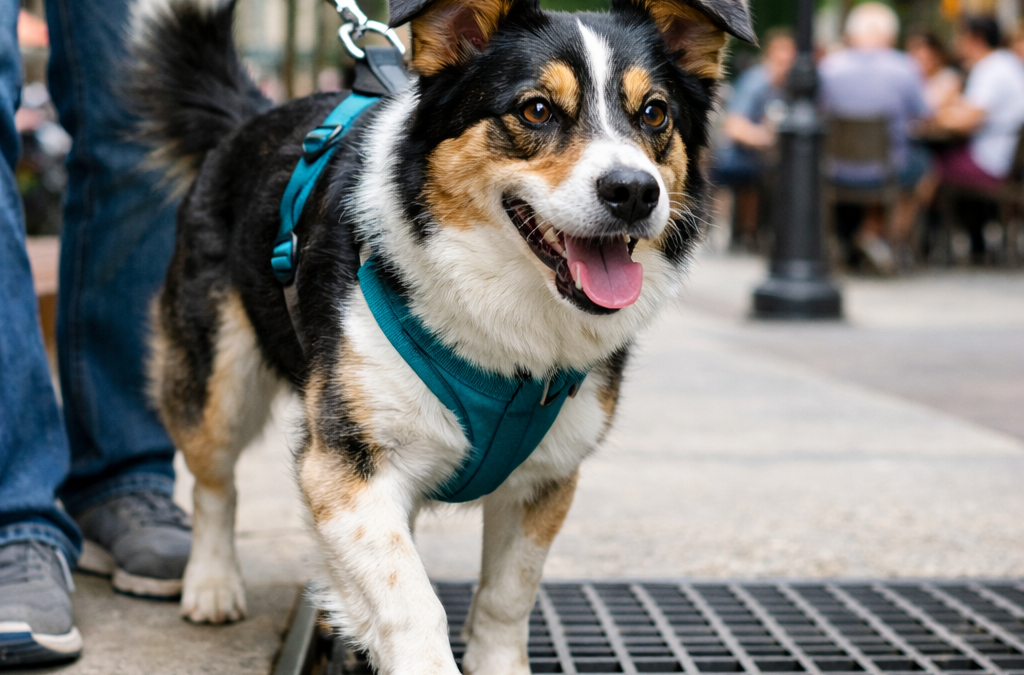
Taking your dog into public spaces, from cafés and patios to neighborhood walks and local events, can be a fantastic way to build connection and trust. But for many dogs, the outside world can feel unpredictable or even overwhelming. Loud noises, sudden movements, or...
Rethinking the “Perfect” Dog Walk When most people picture a “great dog walk,” they imagine power walking around the neighborhood, logging as many steps as possible, or making sure their pup is “tired out” before returning home. But here’s the truth: what makes a dog...
Dogs need routine, but it’s 6:00 p.m. The kids are melting down after soccer practice, there’s a sink full of dishes waiting, and you’re still in traffic trying to get home. The last thing on your mind is the leash hanging by the door or the eager, wagging tail that...
When people think about dog training, they often picture a young puppy learning basic behaviors like “sit” or “stay.” or the growling, snarling, lunging dog that needs behavior modification. But effective dog training isn’t just for puppies—and it isn’t something you...